
The Art Gallery of Grande Prairie is far more than an exhibition space. It is a regional hub for creativity, education, and connection, serving not only the city but communities across the Peace Region and Treaty 8 territory. Through exhibitions, outreach, education, and partnerships, the gallery plays a quiet but powerful role in shaping how people experience art, culture, and one another.
That work is guided by a dedicated team led by Executive Director Jessica Groome, who has been with the gallery for two years. While Groome brings an international background and a career rooted in artistic practice, she is quick to point out that the focus is not on individual leadership, but on how the gallery shows up for the community it serves.
“Grande Prairie is a hub for the region,” she explains. “People come here for education, healthcare, and services. Arts and culture should be part of that same access.”
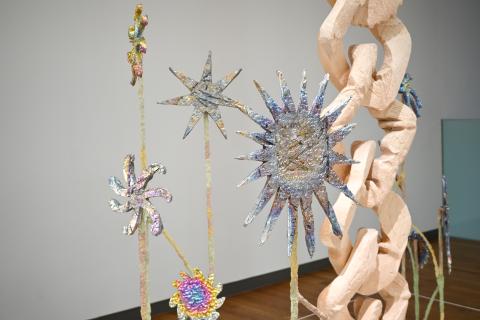
A Regional Resource With Open Doors
One of the most defining features of the Art Gallery of Grande Prairie is that admission is always free. This choice reflects a core belief that art should be accessible to everyone, regardless of background or income.
“A big part of why we do not charge admission is because we want to remove as many barriers as possible,” Groome explains. “You might not plan to pay to see an exhibition, but if you walk in out of curiosity, you may be surprised by what resonates with you.”
That openness is especially important in a region where travelling to larger cities is not always feasible. The gallery provides high-calibre exhibitions locally, ensuring residents do not need to leave the region to experience contemporary art.
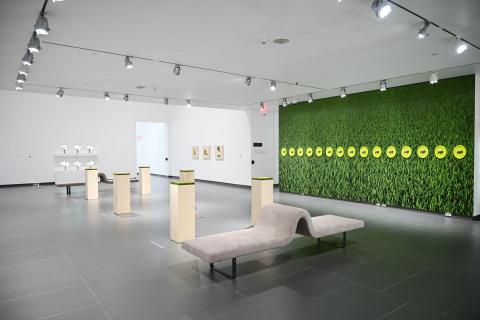
“Having this kind of resource here means people do not have to go to Edmonton or elsewhere to access this level of programming.”
Taking Art Beyond the Building
Through the TREX (Travelling Exhibitions) program, the gallery brings exhibitions directly into community.
“The mandate of TREX is really simple,” Groome says. “It is about bringing art directly into communities and meeting people where they are.”
In addition to exhibitions, education is a major part of the gallery’s outreach. Programs are delivered in the gallery, in schools, and in community spaces, often in response to direct requests.
“Our educators are not just here in the building,” Groome notes. “If a school or community group calls and asks for a program, we do everything we can to deliver.”
Recent initiatives include a new monthly youth drop-in program designed to create a welcoming, inclusive space for young people, a group that galleries have historically struggled to engage.
“Just being able to offer a space that youth want to be in, that feels safe and creative, is huge,” she says.
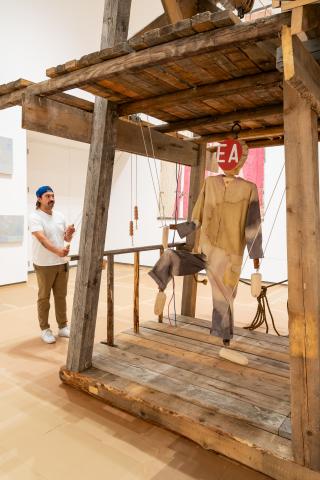
These efforts reflect a broader philosophy: the gallery is not a passive space, but an active participant in community life.
Impact Beyond the Numbers
Like most public institutions, the gallery tracks attendance and participation. In the past year, nearly 18,000 people visited the gallery. But staff know that numbers only tell part of the story.
She points to the Common Opulence residency as one example. Artists from across Canada spent a month living and working in the Peace Region, creating new work inspired by the place and its people.
“They experienced this region in a really intimate way,” Groome says. “They carry that experience forward into their practices and networks. It is like a butterfly effect.”
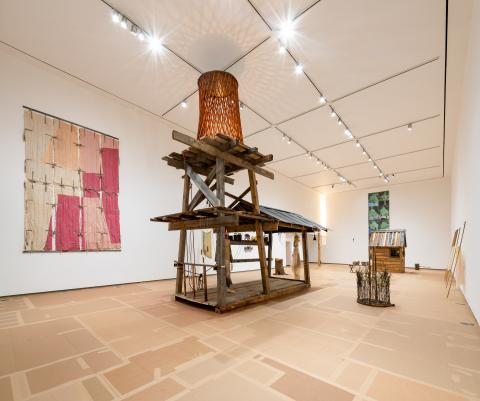
The gallery also plays a role in nurturing future cultural leaders. Through partnerships with Northwestern Polytechnic, programs like the Emerging Indigenous Curatorial Mentorship Program have supported students in gaining hands-on experience. One participant from the program is now scheduled to curate an exhibition at the gallery in 2027, an example of how a single initiative can open long-term pathways.
Staying Connected During Closure
With the gallery temporarily closing due to facility upgrades, staff will focus on ensuring that programming, access, and connection continue.
A major focus during this period is the gallery’s permanent collection, which has been growing since 1975. For the first time, the collection is being comprehensively documented and digitized. Once complete, the public will be able to explore the collection through a searchable online platform, opening a significant cultural resource that has largely remained behind the scenes.
“The collection is an incredible resource, but it has never been fully accessible,” Groome explains. “We want the public to be able to see what we have in the vault for the first time.”
The gallery is also launching a temporary artwork adoption program, placing selected works from the collection into local businesses and community spaces during the closure, paired with optional public programming.
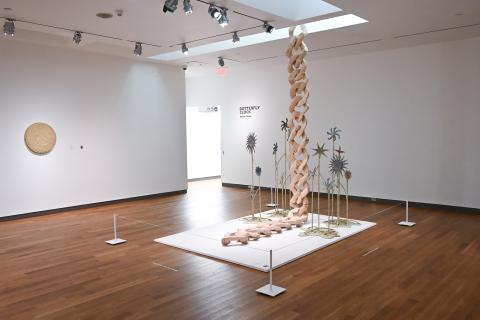
Education programs will continue through a satellite location at the Grande Prairie Museum, as well as through school visits and community-based delivery. TREX exhibitions will continue touring the region, and the Prairie North Residency, revived in partnership with Northwestern Polytechnic, will bring artists to the Peace Region next summer.
Looking Ahead
As the gallery prepares for this new season, it is using this period to reflect and listen.
“We are really trying to read the room,” Groome says. “Grande Prairie is growing quickly and becoming more diverse all the time. We need to think about what a gallery is for in that kind of community.”
That thinking is shaping ongoing strategic planning work to refresh the gallery’s vision, mission, and values, with an emphasis on responsiveness and relevance.
What remains clear is that the Art Gallery of Grande Prairie is more than an exhibition space. It is a place of access, education, conversation, and connection, serving a region as large and diverse as the stories it helps tell.
As Groome puts it simply, “We are not going anywhere. There is a lot of good coming.”