
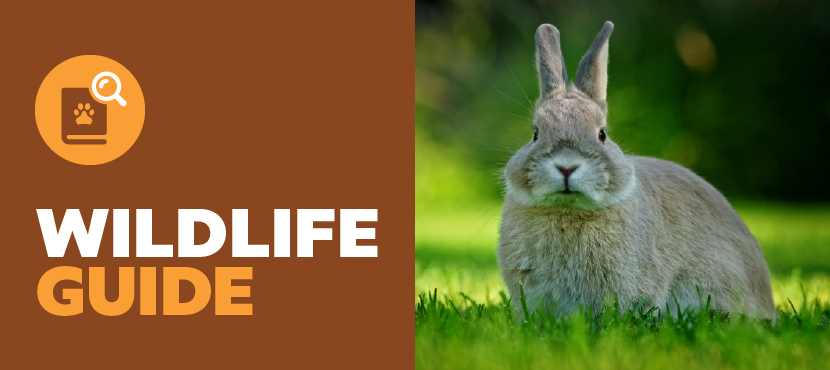
Grande Prairie is home to a variety of native and non-native wildlife species. Residents play an important role in helping reduce conflicts with wildlife by avoiding feeding animals, eliminating wildlife attractants and understanding their responsibilities under the City's Noise, Nuisance and Public Disturbances bylaw.
Recent bylaw amendments strengthened regulations related to feeding wildlife and releasing animals onto public property. These measures support neighbourhood livability, protect shared green spaces and help address concerns associated with wildlife activity throughout the community.
Learn more about local wildlife, responsible coexistence and practical steps you can take to help reduce wildlife-related concerns.
Feeding wildlife
Under the City's Noise, Nuisance and Public Disturbances bylaw, it is prohibited to:
- Feed wild animals.
- Leave food or attractants intended for wildlife.
- Place food, feed, grain, vegetables, fruit or similar materials where they may attract wildlife.
Feeding wildlife may seem harmless, but it can contribute to increased animal activity, larger populations and ongoing impacts to neighbourhoods, parks and green spaces.
Removing food sources and wildlife attractants is one of the most effective ways residents can help reduce wildlife-related concerns.
Feral rabbits are a growing concern in some areas of Grande Prairie. While many residents enjoy seeing rabbits in the community, growing populations can contribute to impacts on gardens, landscaping, trees, shrubs and other shared community spaces.
Many feral rabbit populations begin when domestic rabbits are released into the community. Once established, populations can grow quickly, particularly when wildlife is intentionally fed or provided with food sources.
Do not feed rabbits or other wildlife.
The City's bylaw prohibits:
- Feeding wildlife.
- Leaving food or attractants for wildlife.
- Releasing, abandoning, relocating, depositing or introducing animals onto public property.
Residents experiencing rabbit-related concerns can take the following steps:
Remove shelter
- Cover openings beneath sheds, decks and outbuildings using wire mesh buried at least 15 centimetres deep.
- Remove brush piles, wood piles and tall weeds.
Protect gardens and landscaping
- Install fencing around gardens, shrubs and flower beds.
- Use commercial repellents according to manufacturer instructions.
Why we see coyotes in the city
- Coyote populations have increased in urban areas in recent years, with individual coyotes showing modifications of typical behaviour to take advantage of available food and shelter while generally avoiding people.
- Many urban areas in Alberta have abundant natural areas and lie immediately adjacent to productive agricultural or other natural landscapes. Additionally, many urban areas contain river valleys that act as natural travel corridors for coyotes and other wildlife species.
- Coyotes readily access human food sources, which may make up to 30% of the coyote's diet. Coyotes typically access human foods at night and in areas with suitable cover to minimize the risk of encountering people.
- Some coyotes carry high parasite loads such as infection from sarcoptic mange, and these individuals are more likely to utilize urban areas and consume human foods, risking human encounters to use less energy to forage and find shelter.
Reduce the chances of coyotes returning to your neighbourhood
- If a coyote is returning to your neighbourhood, it is because shelter or easy meals are available there. Speak with your neighbours about prevention actions and work together to reduce attractants.
- Never feed coyotes. Feeding coyotes inevitably leads to unsafe situations that result in human injury or animal death.
- Never unintentionally feed coyotes. Pet food, garbage, and fruit falling from trees might also be available. Reduce your chances of attracting coyotes by removing these items from your yard.
- Remove low branches on trees that can provide hiding places for coyotes or attract small animals, particularly near children's play areas.
- Keep a clean backyard by removing seeds, meat, and suet for birds and fallen fruit. These attract mice and squirrels, which are prey for coyotes.
- Install motion-activated lights in your yard.
- Keep your cats indoors, and do not let your dog play outside unsupervised.
- Always be sure to clean up dog feces, as it attracts coyotes.
- Use a durable wire mesh to close off spaces under decks, patios and outbuildings. Keep all spaces that may be used as a shelter closed off and inaccessible to coyotes.
- Make sure your fence is in good repair. Holes in fences may attract curious coyotes into your backyard.
- Take your garbage out only on the morning of collection.
- Talk to your neighbours about following the same preventative measures.
What to do in a coyote encounter
- If you encounter a coyote, make the experience unpleasant for the animal. Make it feel unwelcome in your neighbourhood. Even if you are not concerned about problems with coyotes, they should not feel comfortable around us or our homes.
- Respond to their presence aggressively by making yourself appear larger. Wave your arms overhead, or thrust long objects like a walking stick toward the coyote.
- Throw rocks, sticks or other objects toward the animal.
- Shout in a deep voice and maintain eye contact.
- If the coyote continues to approach, back away slowly and move toward buildings or human activity if the coyote continues to approach.
- Do not turn away or run. This will encourage the coyote to chase you.
Feeding wildlife, including the swans, may appear to be an act of kindness, but it's essential to recognize the potential negative impacts it can have on the swans and our local ecosystem. Here's why refraining from feeding them is crucial:
- Natural diet necessity: Swans have evolved over time to consume a specific diet that ensures their proper nutrition and growth. Their natural diet includes aquatic plants, insects and small aquatic organisms. Introducing human food into their diet disrupts this delicate balance and can lead to nutritional deficiencies.
- Health hazards: Human food, often high in salts, sugars, and fats, can be harmful to swans.
- Habituation and dependency: Feeding swans encourages them to become accustomed to human presence and handouts. This habituation can alter their natural behaviour and instincts, making them reliant on humans for sustenance.
- Respect for wildlife: Our swans are part of the natural beauty of our city. By admiring them from a distance and allowing them to follow their natural behaviours, we contribute to their overall well-being and the preservation of their unique qualities.
By not feeding them, we're taking a step toward maintaining the delicate balance of our local ecosystem and allowing these graceful beings to thrive naturally in their habitat.
Why we see moose in the city
As our cities expand into previously untouched wildlife habitats, encounters with moose and other wildlife are becoming more frequent as they find it easier to enter populated areas in search of food. Understanding how to safely navigate moose encounters is essential. Here's what you need to know:
- Moose are highly adaptable creatures, capable of traversing any terrain with their impressive swimming abilities and long legs.
- Encroachment by predators such as wolves and bears may drive moose closer to urban areas in search of safety.
Threat to people
- While moose are typically non-aggressive, they may become defensive when stressed or when protecting their young.
- Signs of agitation in a moose include raised neck and back hairs, flattened ears, snorting, or lip licking.
What to do if charged by a moose
- If charged by a moose, swiftly retreat and seek refuge behind a solid barrier such as a vehicle or tree. If knocked down, assume a protective position by curling into a ball and covering your head.
Preventing confrontations
- Avoid allowing pets to approach moose and refrain from attempting to scare them off through loud noises or projectiles.
- Exercise caution around moose calves and refrain from approaching them, as mothers may perceive this as a threat.
- Contact 311 if a moose becomes trapped due to barriers like roads or buildings.
- Provide ample space for moose to retreat on their own in less densely populated areas and ensure clear escape routes are available.
- Exercise heightened vigilance during the moose rutting season, typically occurring from late September to late October, when moose activity peaks.
- Remain alert for multiple moose sightings, especially if a cow is accompanied by her calf.
- Avoid honking at moose, as it may exacerbate their agitation.
- If encountering a moose on the road, brake steadily and refrain from swerving, prioritizing control of your vehicle.
I found a domestic rabbit
Domestic rabbits should never be released outdoors.
If you believe a rabbit is a domestic pet:
- Check with neighbours to determine whether an owner can be located.
- Contact a local animal rescue organization or shelter.
- Do not release the animal elsewhere.
I have rabbits on my property
The City does not remove rabbits from private property.
Residents can:
- Remove shelter opportunities.
- Eliminate food sources and attractants.
- Protect gardens and landscaping.
- Avoid feeding wildlife.
I found an injured or wild animal
Contact an appropriate wildlife rehabilitation organization or provincial wildlife resource for assistance.
I want to report someone feeding wildlife
Contact AccessGP by dialing 311 or emailing info@cityofgp.com.
Resources
Learn more about human and wildlife conflict at the Government of Alberta.
Learn more about feral rabbits and their impacts to communities:
Alberta Invasive Species Council
Preventing the introduction and spread of invasive species is one of the most effective ways to protect our local environment.
Learn more at abinvasives.ca.
To help us respond appropriately:
- To report an injured or potentially dangerous animal in a high population area, such as a school or park, contact 311.
- If you encounter a sick or aggressive animal, contact Alberta Fish and Wildlife Services at 780-538-5260.
Frequently Asked Questions
Feeding rabbits contributes to larger populations and increased impacts on neighbourhoods, gardens and green spaces.
The bylaw prohibits feeding wildlife, leaving wildlife attractants and releasing, abandoning, relocating, depositing or introducing animals onto public property.
The City does not currently remove rabbits from private property. The City's approach focuses on public education, responsible pet ownership and reducing behaviours that contribute to population growth.
Residents can remove shelter opportunities, eliminate food sources and protect landscaping through fencing and other preventative measures.
Attempt to locate the owner. Do not release the rabbit elsewhere.
Contact AccessGP by dialing 311 or emailing info@cityofgp.com.